Rome's Civic Memory, Collected on the Capitol
The Capitoline Museums grew from Pope Sixtus IV's 1471 gift of ancient bronzes to the people of Rome.
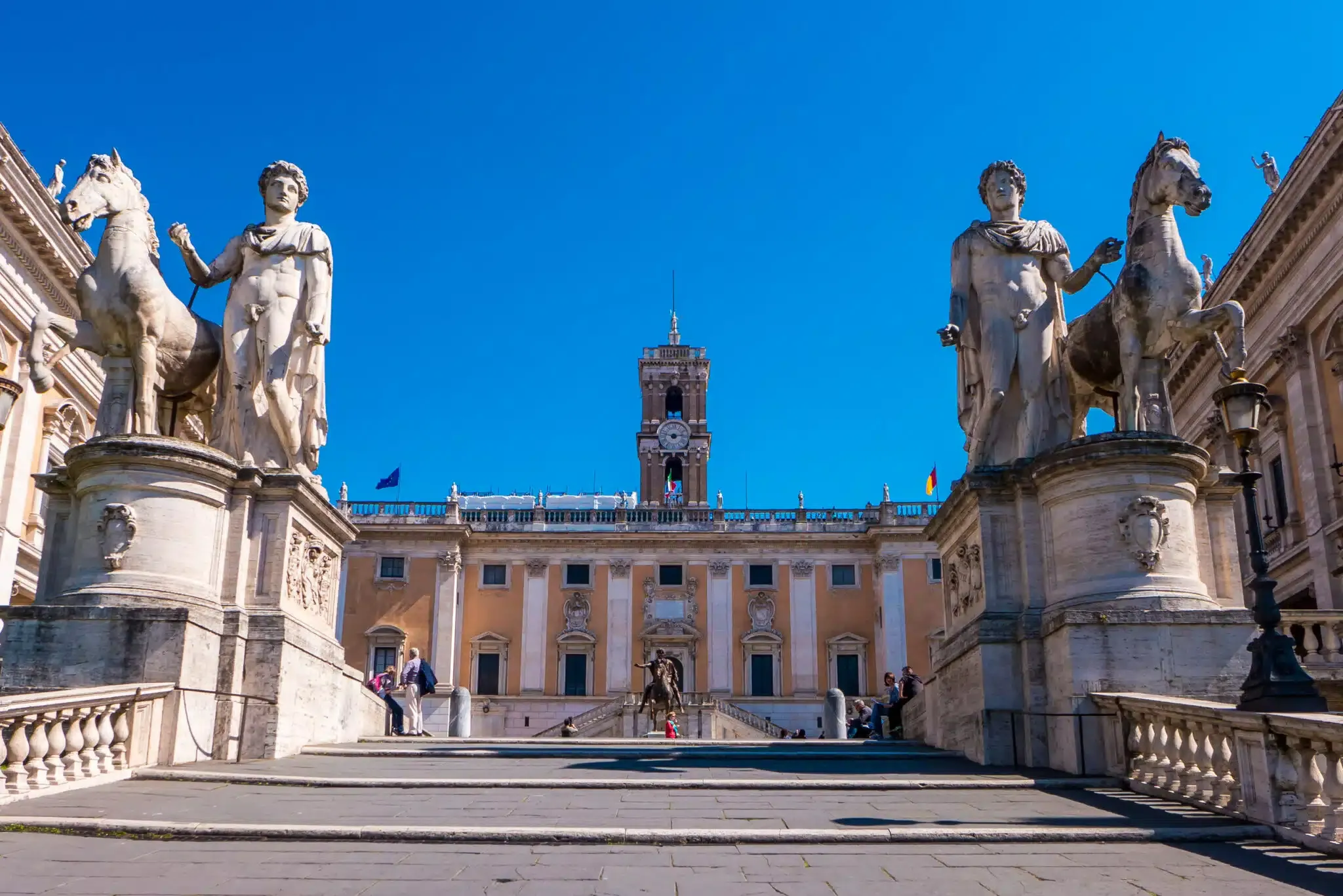
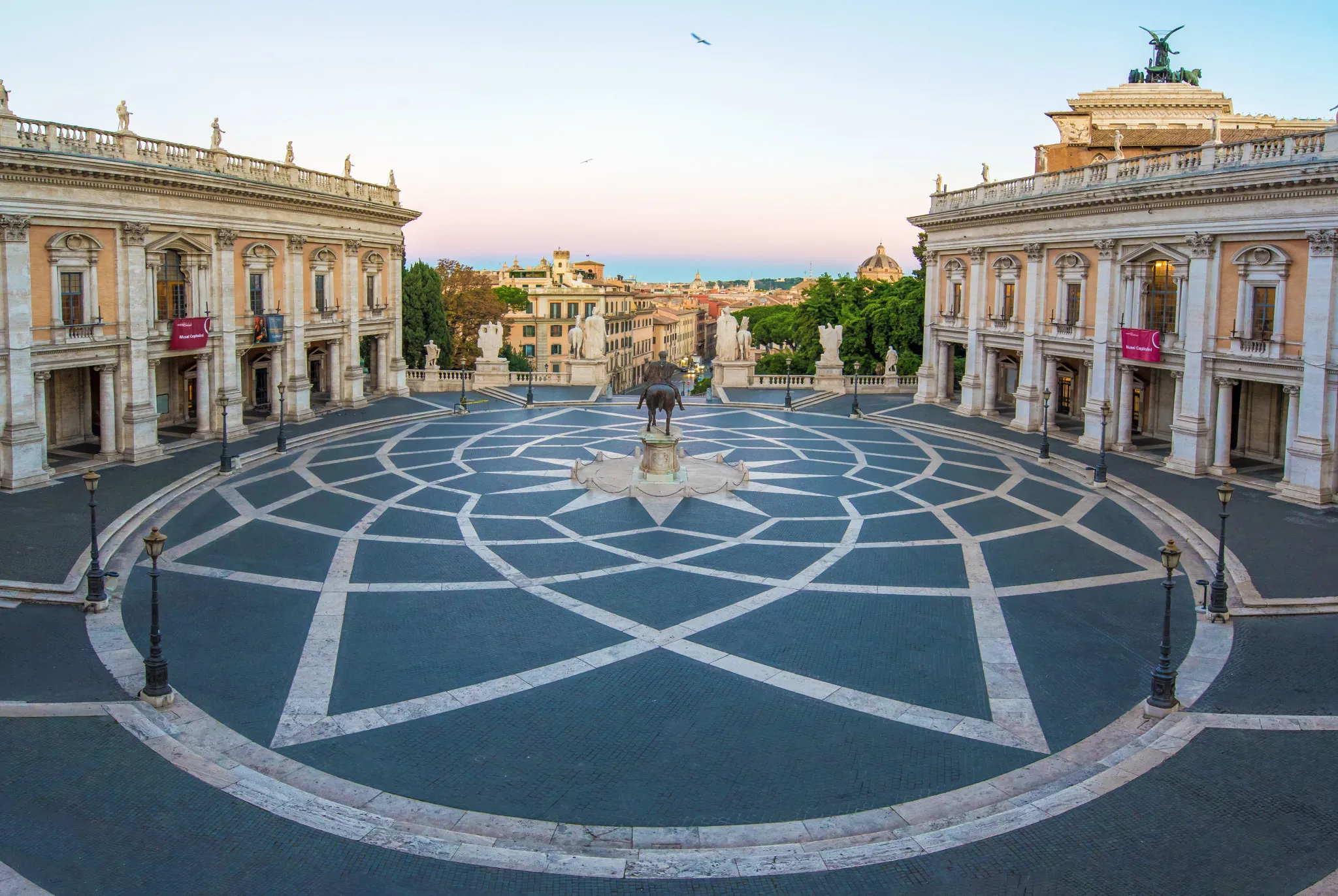
Today the collection fills Palazzo dei Conservatori and Palazzo Nuovo, facing one another across Michelangelo's Piazza del Campidoglio and linked below ground through the Galleria Lapidaria and Tabularium.
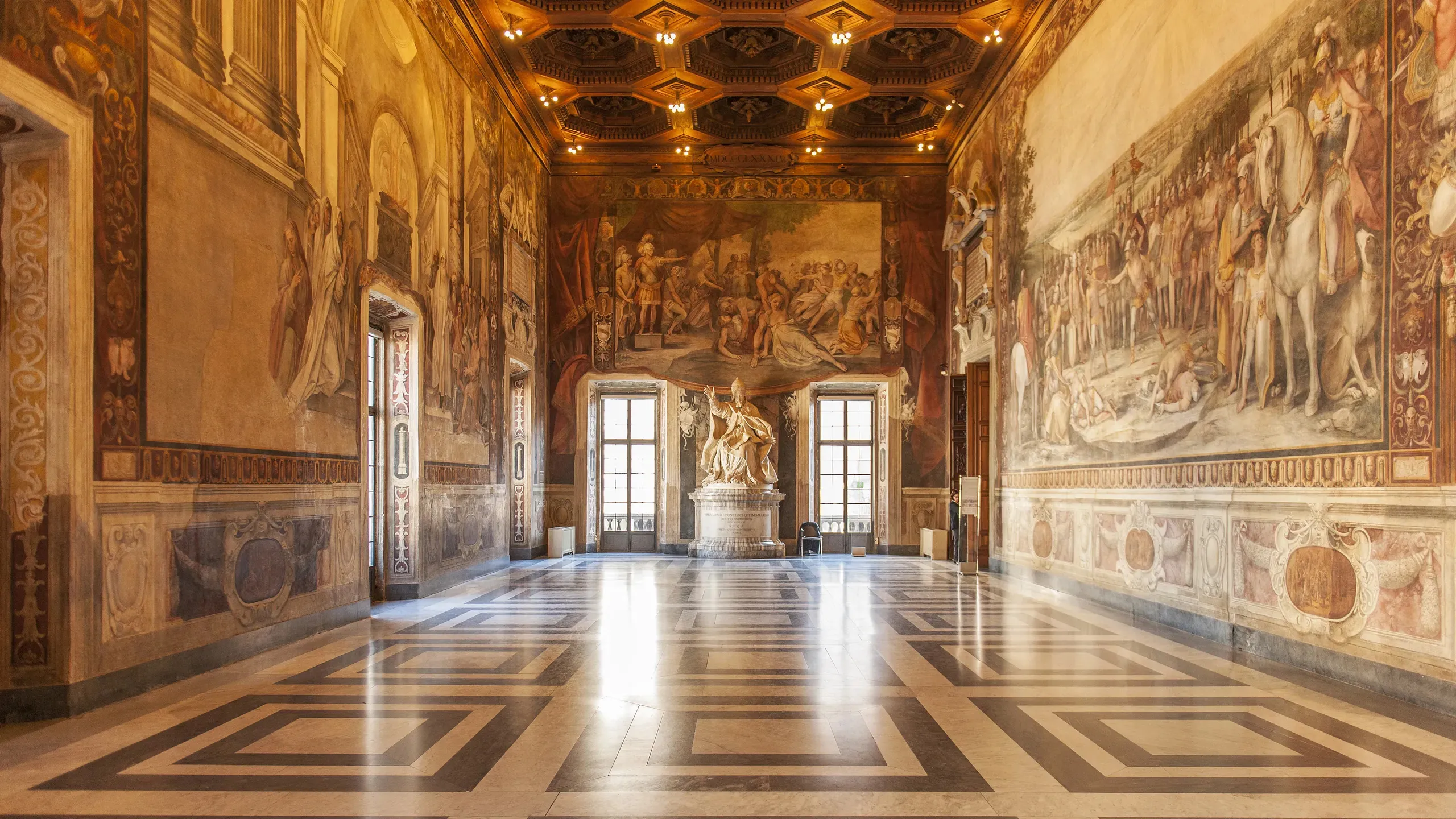
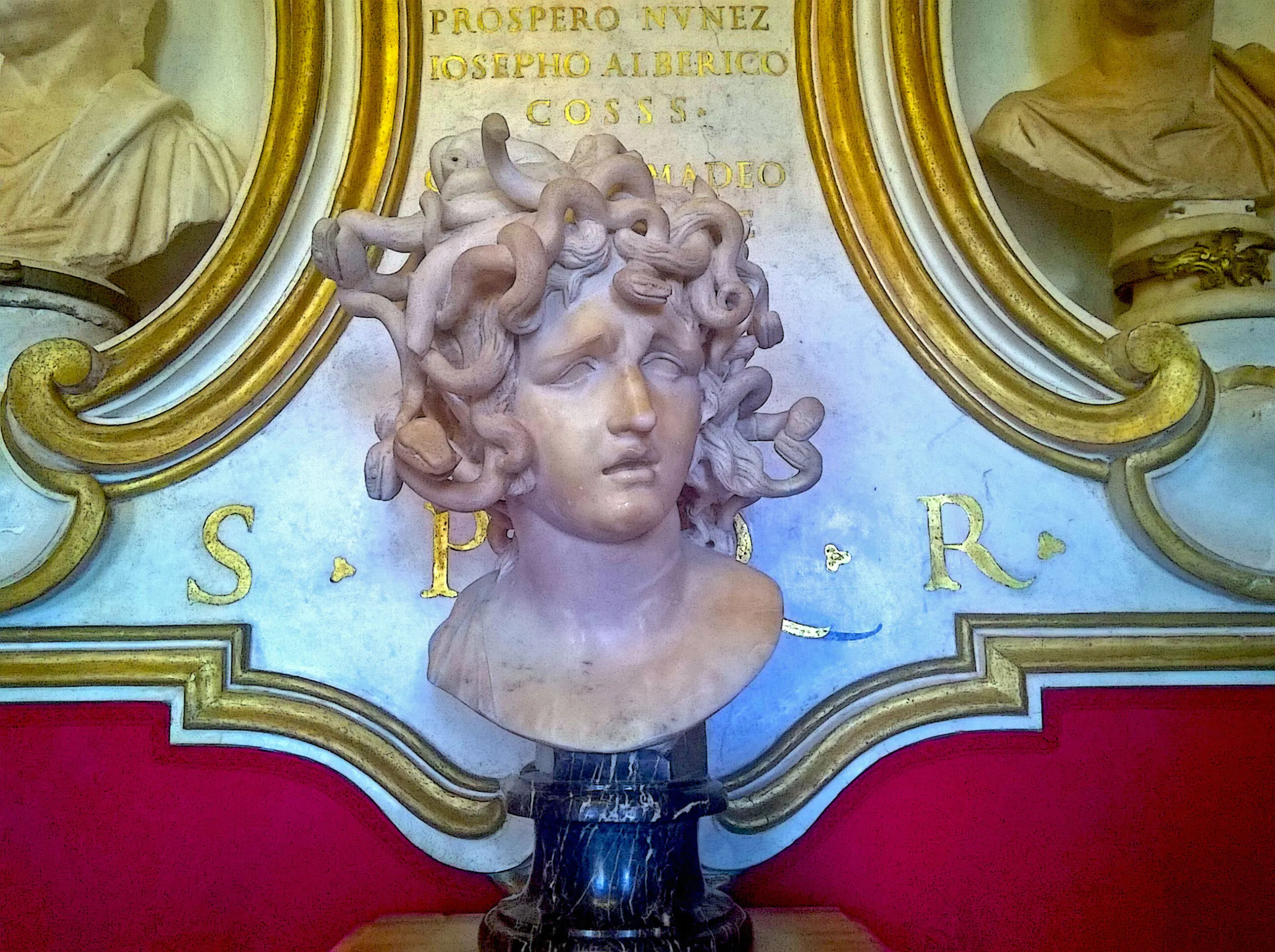
The route brings together archaeological finds from Rome, monumental sculpture, inscriptions, coins, and paintings by artists including Caravaggio, Titian, Rubens, and Guercino.
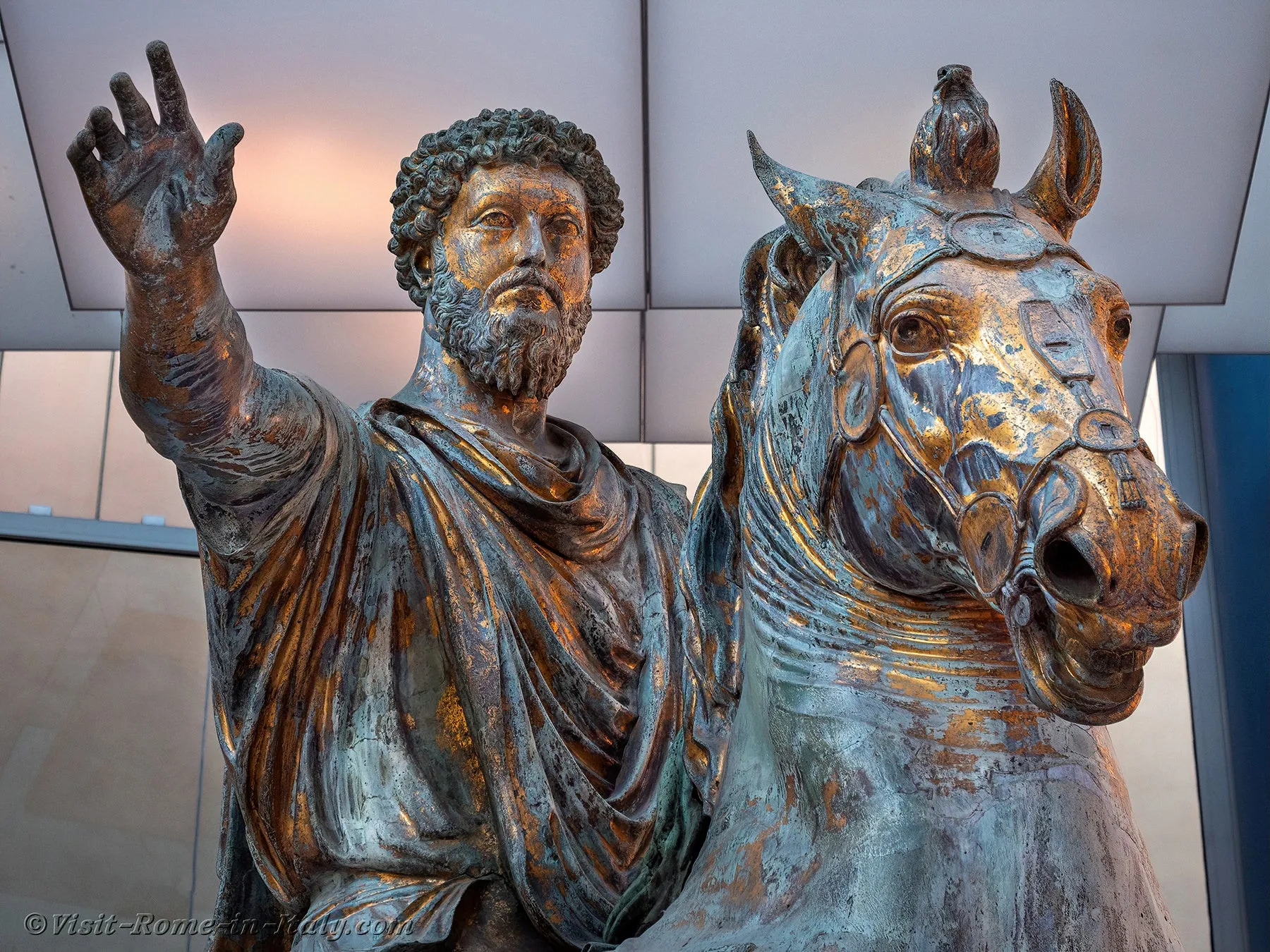
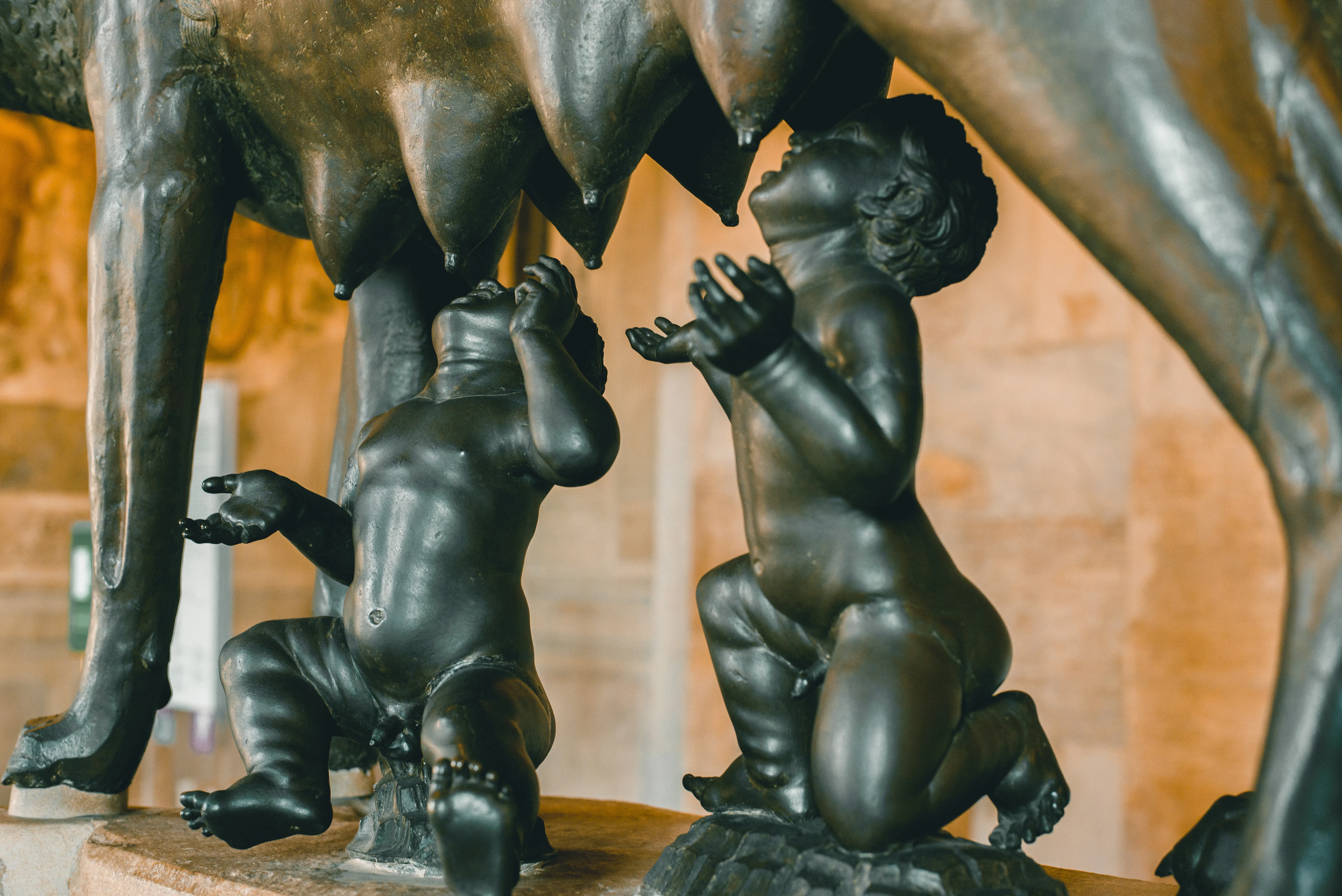
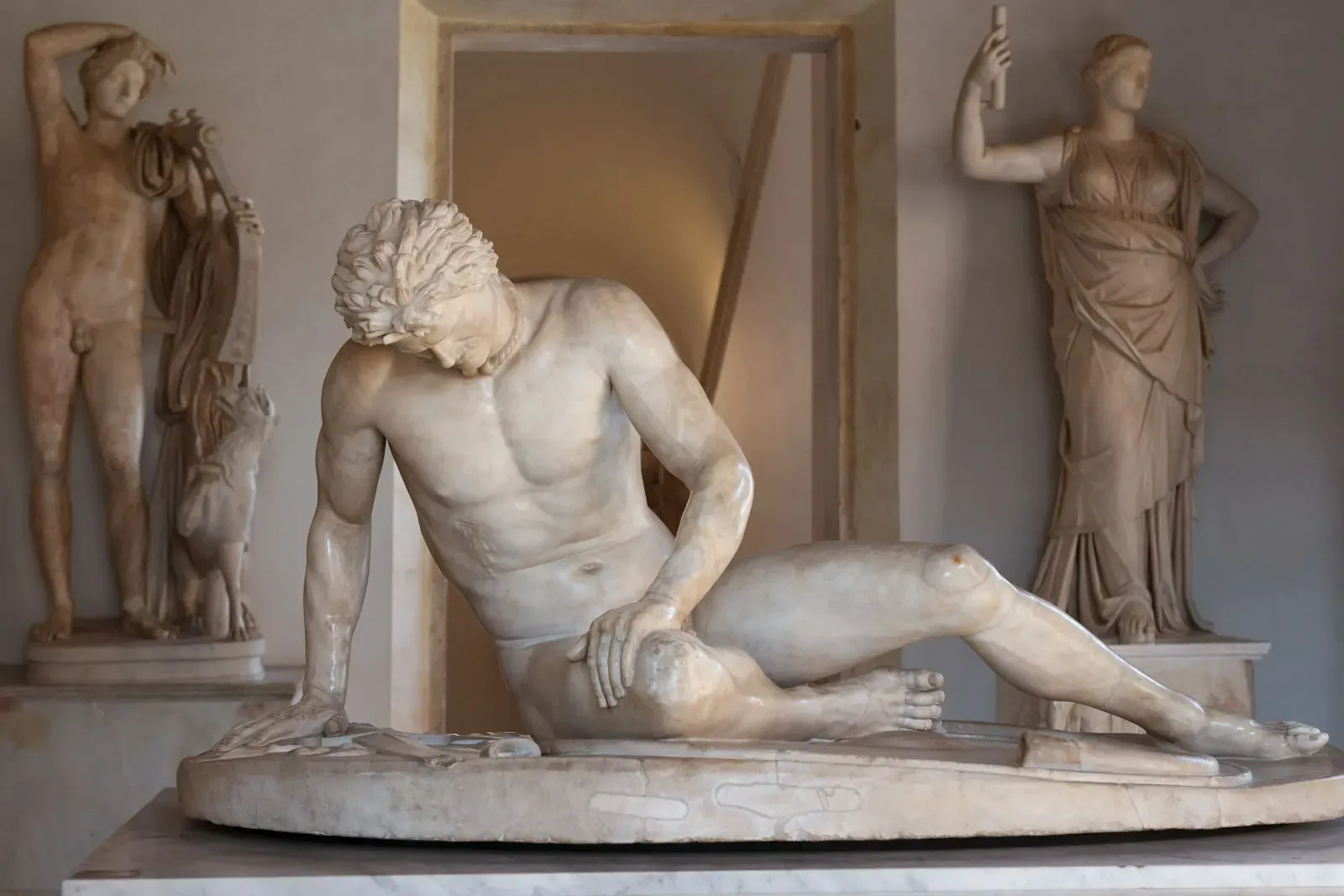
Its best-known works range from the Capitoline Wolf and the bronze Spinario to the Dying Gaul, the Capitoline Venus, and the original equestrian statue of Marcus Aurelius.
It is both an art museum and a layered account of how Rome has represented, excavated, and preserved its own past..
Capitoline Museums Visiting timetable
Open daily 9:30 AM-7:30 PM; last admission is one hour before closing. Holiday hours and temporary room closures may apply.
Capitoline Museums Closing Days
Closed on 1 May and 25 December; 24 and 31 December normally close at 2:00 PM
Where is Located
Piazza del Campidoglio 1, 00186 Rome, Italy
How to Get to the Capitoline Museums
The entrance is on Piazza del Campidoglio, above Piazza Venezia in the historic center. The final approach is uphill via the Cordonata or surrounding roads.
By Train
From Roma Termini, continue by city bus toward Piazza Venezia or take Metro B to Colosseo and walk through the central archaeological area. There is no railway station on Capitoline Hill.
By Car
The historic center has restricted-traffic zones and very limited parking. Driving to the hill is generally impractical; Blue Badge holders can use the authorized approach and reserved parking described by the museum.
By Bus
Numerous city buses serve Piazza Venezia and Via del Teatro di Marcello. Routes change, so confirm the best current connection with ATAC before travelling, then walk uphill to Piazza del Campidoglio.
On Foot
The museums are a short uphill walk from Piazza Venezia and the Roman Forum. Approach by Michelangelo's broad Cordonata staircase; step-free routes use the surrounding uphill roads and should be checked against current accessibility notices.
What to See at the Capitoline Museums
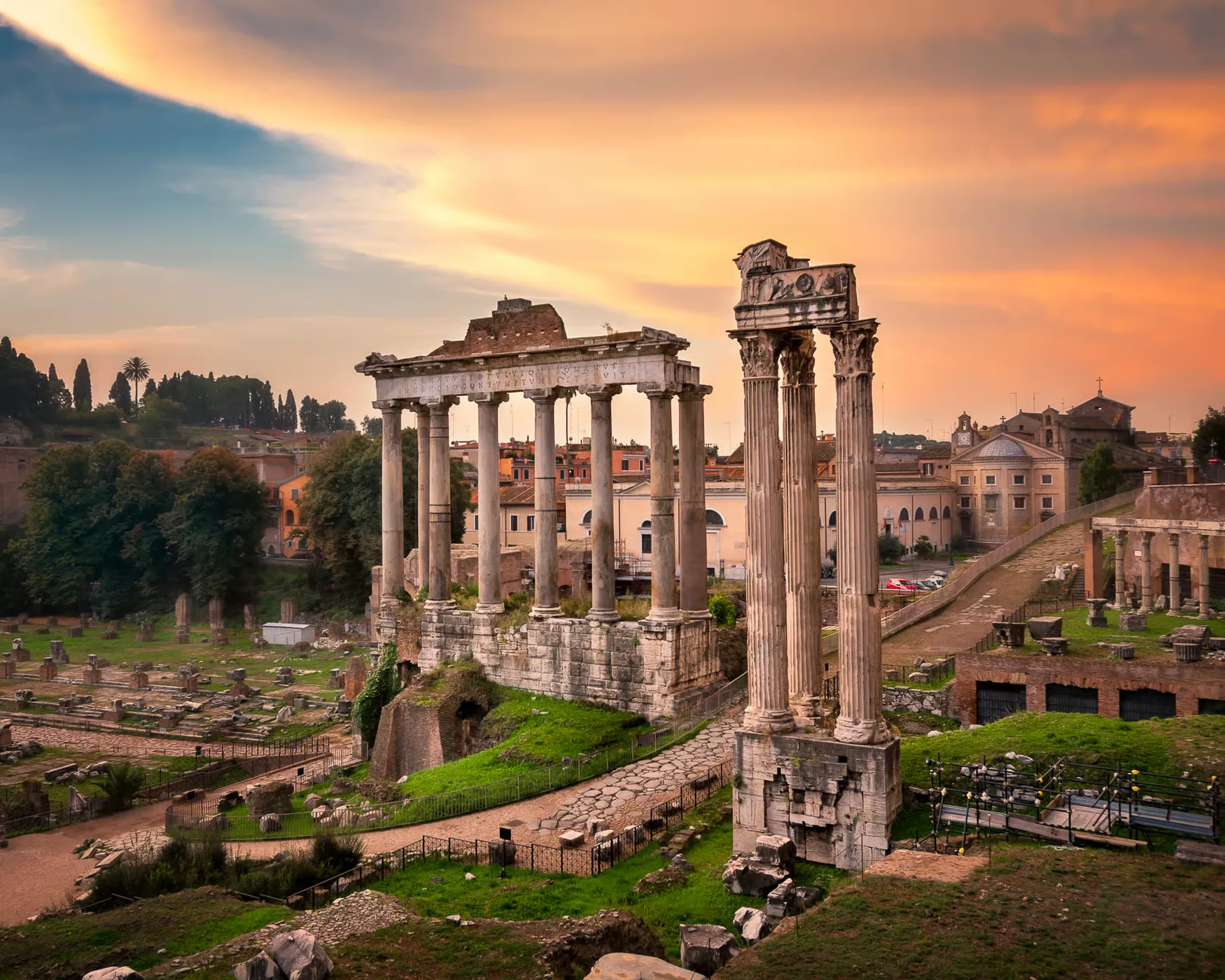
Move from Rome's founding symbols and imperial bronzes to Palazzo Nuovo's sculpture galleries, then pause at the Tabularium for one of the museum's defining views over the Roman Forum.
Capitoline Museums
The Capitoline Bronzes
The museum's founding identity survives in bronzes associated with Sixtus IV's 1471 gift. The Capitoline Wolf, Spinario, Camillus, and colossal fragments connect ancient sculpture with Rome's later civic symbolism.
Marcus Aurelius and the Temple of Jupiter
The original gilded bronze emperor stands in the Exedra of Marcus Aurelius beside remains of the Temple of Jupiter Capitolinus. A replica occupies the center of the piazza outside.
Palazzo Nuovo and the Tabularium
Palazzo Nuovo retains the character of an eighteenth-century sculpture museum, with the Dying Gaul and Capitoline Venus among its highlights. The connecting route opens onto the Forum through the ancient Tabularium.
Capitoline Museums Essentials
Quick answers on opening times, tickets, buildings, major works, and how much time to allow.
Choose your Capitoline Museums ticket
Standard museum admission covers the permanent collections; temporary exhibitions may be included through a higher current tariff or sold separately.
Check the official notices before purchase because room closures, exhibition pricing, and accessibility routes can change.