Capitoline Museums Guide: Highlights and Visit Tips
Plan your Capitoline Museums visit with a practical route, essential masterpieces, realistic timings, accessibility notes, and nearby sights.
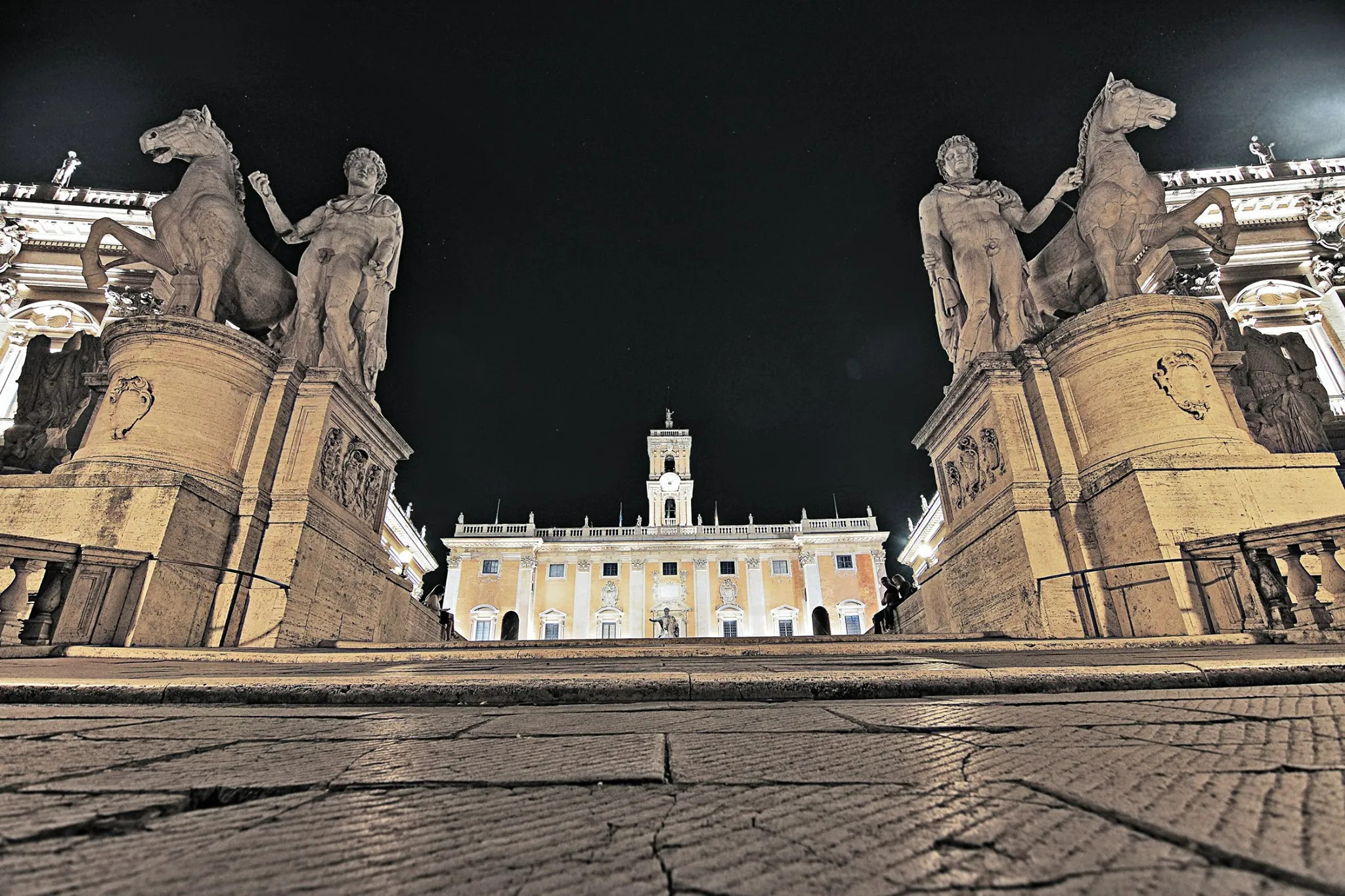
The Capitoline Museums reward visitors who understand that this is not one building but a layered civic complex. Ancient bronzes, Roman marble, Renaissance painting, municipal state rooms and archaeological remains occupy palaces around Piazza del Campidoglio, with an underground passage linking the principal collections.
The museum traces its conventional foundation to 1471, when Pope Sixtus IV gave important bronzes to the people of Rome. That civic origin still shapes the experience: many objects were found in the city, and the buildings themselves tell the story of Rome from the Republican-era Tabularium to Michelangelo's redesign of the Capitoline Hill.
Before you arrive
The public address is Piazza del Campidoglio 1. Standard hours are 9:30 AM to 7:30 PM daily, with last admission one hour before closing, but holiday schedules and temporary closures can change. Check the official museum notices before travelling, especially if a particular room is essential to your visit.
Allow at least two and a half hours for a selective route. Three to four hours is more comfortable if you want the Pinacoteca, inscriptions and archaeological areas as well as the famous sculptures. The scale is deceptive: staircases, changes of level and visually dense rooms slow the pace.
A strong first-time route
Begin in Palazzo dei Conservatori, where the historic civic rooms and early donated bronzes establish the museum's identity. Priorities include the Capitoline She-wolf, the Spinario, the Capitoline Brutus and Bernini's Medusa. Continue into the modern glass Exedra for the original equestrian statue of Marcus Aurelius and views of the foundations of the Temple of Jupiter Optimus Maximus.
Next, choose between the Pinacoteca and the archaeological collections from Rome's ancient garden estates. The paintings include works by Caravaggio, Titian, Veronese, Rubens, Guercino and Domenichino. The Horti rooms present sculpture recovered during the transformation of modern Rome, including Commodus portrayed as Hercules.
Use the underground Galleria Lapidaria to cross beneath the piazza. Its inscriptions turn public law, religion, military service, professions and burial customs into individual Roman voices. The route also reaches the Tabularium, where a vaulted opening frames one of the most instructive views over the Roman Forum.
Palazzo Nuovo completes the classic route with the Dying Gaul, Capitoline Venus, Marforio and galleries of imperial portraits. Its presentation retains much of the character of an eighteenth-century sculpture museum. Confirm access before visiting: restoration or lift restrictions can temporarily affect this historic building.
Practical museum habits
- Store bulky bags and umbrellas when staff request it; the cloakroom is self-service.
- Personal photography of the permanent collection is generally permitted without tripods, selfie sticks or additional lighting. Temporary exhibitions may have different rules.
- Bring headphones if using the museum app or an audio guide.
- Build in short rests. Benches are limited in some historic rooms, and the route includes long standing periods.
- Do not treat the replica of Marcus Aurelius in the piazza as the original. The protected ancient bronze is inside the glass Exedra.
What makes the visit distinctive
The museum's greatest strength is context. The She-wolf is not simply a famous emblem; it belongs to a civic collection formed on the hill from which Rome was governed. The Marcus Aurelius is not isolated in a white gallery; it sits beside the remains of Rome's principal temple. The Forum is not an abstract archaeological plan; it appears through the Tabularium below the museum.
For a first visit, resist the urge to inspect every portrait bust. Follow the relationship between city, collection and site. That thread turns a large museum into a coherent account of how Rome preserved, reinterpreted and displayed its own past.
A szerzőről

Editorial Team
A független útmutató hivatalos múzeumi információk és hiteles kulturális források alapján készült; a gyakorlati részleteket egyértelműségre ellenőriztük, az időérzékeny adatokat újraellenőrzésre jelöltük.
Tags
Comments (0)
Loading comments...